The Worst Harvest Since 1984: What the 2026 Drought Means for UK SMEs

Will Marshall
Founder
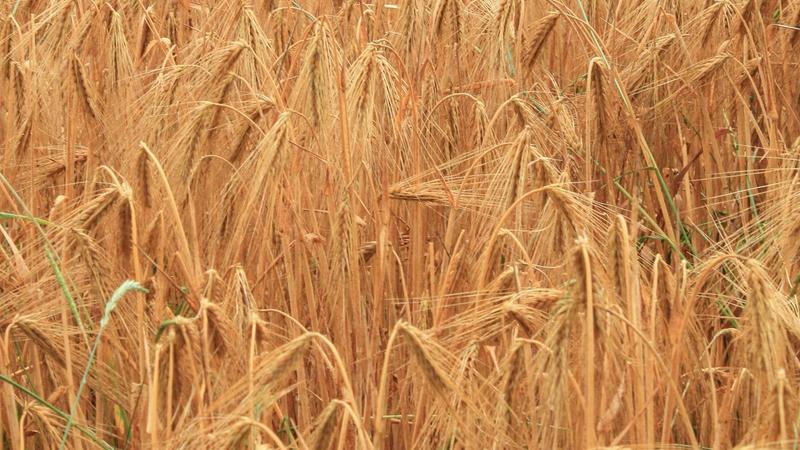
As the driest summer in modern records draws to a close, its consequences are visible in the fields rather than on the shelves. Analysis of the 2026 UK harvest points to the lowest cereals and oilseed yields since detailed records began, driven by prolonged drought and repeated heatwaves. For SMEs, the significance lies less in the farming figures themselves than in what they reveal about how climate risk now travels through ordinary supply chains.
A Harvest Unlike Any in Four Decades
The Energy and Climate Intelligence Unit (ECIU) published analysis on 5 August 2026 estimating that drought and heat have removed as much as 2.5 million tonnes from the UK cereals and oilseed harvest compared with earlier forecasts. If current average yields hold, the total would come in at around 19.5 million tonnes, surpassing 2020 as the worst harvest since detailed records began in 1984.
The weather behind those numbers was exceptional by any measure. Southern England recorded its driest July since records began in 1836, with much of the East of England seeing almost no rain from mid-June onwards.
Wheat illustrates the scale of the shortfall. At a provisional 6.8 tonnes per hectare, yields sit roughly 14% below the ten-year average, with spring barley and oats also underperforming. The ECIU estimates lost revenue to UK arable farmers at between £293 million and £390 million.
Why Prices Have Not Moved Yet
The most counterintuitive part of the picture is that UK food inflation is currently falling. Grocery inflation eased to 2.1% in the four weeks to 9 August 2026, the lowest reading since October 2024 and the fifth consecutive month of decline.
That apparent contradiction has a straightforward explanation. Intense supermarket competition and consumer resistance to price rises have pushed retailers and their suppliers to absorb cost increases rather than pass them on. Cereal harvested in August also takes months to work through milling, processing and contract cycles before it reaches a menu or a wholesale invoice.
Absorption of this kind is a timing effect rather than a solution. The pressure sits in supplier margins, and margins have limits.
Where the Costs Land for UK SMEs
Few SMEs buy wheat directly. Most will encounter this harvest indirectly, through inputs several steps removed from the field:
- Food and hospitality businesses: Flour, bread, animal feed and the meat and dairy that depend on it all trace back to cereal yields. Poor grass growth has already kept pressure on beef prices, and heat-stressed dairy herds produced less milk through the summer.
- Packaging and materials: Straw, board and certain bio-based materials draw on the same agricultural base.
- Retail and wholesale: Contracts renewed in autumn and winter will reflect supplier costs accumulated across the whole year, not the low headline inflation figure of the moment.
- Any business with a customer who farms: Agricultural businesses facing a revenue shortfall of this scale will defer discretionary spending, which affects the professional services, equipment and logistics firms selling into that sector.
The wider signal matters as much as the specific exposures. As Tom Lancaster of the ECIU put it, "farming is now the sector most exposed to climate change and the risks and damage that it brings." Exposure in one sector rarely stays in that sector.
Practical Steps for the Autumn Contract Cycle
For SMEs entering supplier negotiations over the coming months, several measures reduce exposure without requiring significant investment:
- Map the agricultural content of the supply chain. Identify which purchased goods depend on UK or European crop yields, even at two or three removes. Most businesses have more exposure than they assume.
- Ask suppliers directly about harvest impact. Suppliers who have absorbed costs this year will say so, and that answer is a fair indicator of where next year's pricing is heading.
- Extend contract visibility where possible. Longer notice periods on price changes provide planning room, and are often easier to negotiate than the price itself.
- Diversify single-source dependencies. A supplier concentrated in one growing region carries the weather risk of that region.
- Treat this as physical climate risk, not a one-off. Two difficult harvests in succession make the case for building weather exposure into ordinary risk registers rather than treating each season as an anomaly.
The Limits of What Businesses Can Control
None of these steps changes the underlying exposure. A single business cannot influence rainfall, and supply chain mapping does not create alternative supply where a region-wide shortfall exists. Some inputs have no realistic substitute, and diversification frequently costs more than concentration.
There are also reasons for caution about linear predictions. Global grain markets can offset domestic shortfalls through imports, and a strong harvest elsewhere may moderate UK price effects considerably. Retail competition may continue to suppress pass-through for longer than many analysts expect.
What businesses can control is preparation time. The difference between an SME that has mapped its exposure and one that has not is not the size of any cost increase, but whether that increase arrives as a manageable adjustment or as a mid-year surprise.
The Path Forward
The 2026 harvest is a reminder that climate risk reaches businesses through the accounts payable ledger long before it arrives in any more dramatic form. Physical impacts that once seemed distant now register as input costs, contract renegotiations and supplier fragility within a single trading year — a pattern already visible in how SMEs approached this summer's heatwaves.
For UK SMEs, the appropriate response is not alarm but attention: understanding where the business is exposed, asking suppliers better questions, and treating weather as a commercial variable alongside energy prices and interest rates. Businesses that build that understanding now will negotiate the next difficult season from a considerably stronger position.
Kickstart your journey into sustainable growth, with all the tools you need to get going at Bright.