
Too Hot to Work? A UK SME's Guide to Managing Staff Through a Heatwave

Will Marshall
Founder
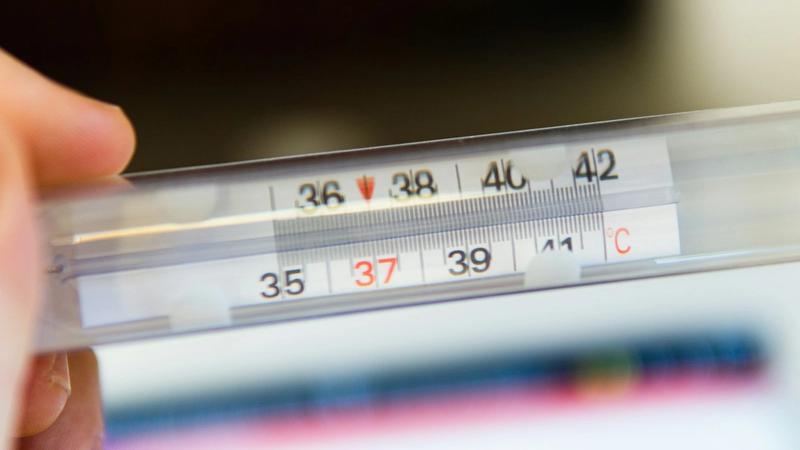
As record-breaking temperatures sweep across the country, many small business owners are facing an unfamiliar question: what are their responsibilities when the workplace becomes uncomfortably, even dangerously, hot? With the Met Office issuing a rare red extreme heat warning in June 2026 and temperatures reaching 36.7°C in Somerset on 25 June — the hottest June day on record — managing staff through extreme heat has moved from an occasional inconvenience to a recurring operational challenge for UK SMEs.
Is There a Legal Maximum Workplace Temperature?
One of the most persistent workplace myths is that staff can stop work once the temperature passes a certain point. In reality, there is no legal maximum workplace temperature in the UK. The Workplace (Health, Safety and Welfare) Regulations 1992 require only that indoor temperatures be kept at a "reasonable" level during working hours, without defining an upper limit.
That absence of a hard figure does not mean employers are off the hook. Under the Health and Safety at Work etc Act 1974, every employer has a statutory duty to protect the health and safety of their workers. The Management of Health and Safety at Work Regulations 1999 add a further obligation: to assess risks to staff and take reasonable steps to reduce them. Extreme heat falls squarely within that duty.
What the HSE Expects from Employers
The Health and Safety Executive (HSE) frames the issue around "thermal comfort" — whether staff can work safely and comfortably given the temperature, humidity, and nature of their tasks. During the June heatwave, the HSE urged employers to carry out heat-specific risk assessments and to implement what it called "simple and cheap measures" to support workers.
John Rowe, an HSE deputy director, warned that hotter summers could impact workforce health and construction site productivity. The guidance places particular emphasis on vulnerable workers, including pregnant staff, older employees, and those with existing health conditions, who may be affected by heat sooner than others.
For employers, the consequences of inaction are not trivial. Failure to manage heat risk can lead to HSE enforcement notices, personal injury claims, and breach of statutory duty claims — a meaningful exposure for a small business without a dedicated health and safety function.
Practical Steps for SMEs During a Heatwave
Protecting staff during extreme heat does not require a large budget. Most effective measures are low-cost and quick to introduce:
- Carry out a heat risk assessment: Identify who is most exposed — outdoor workers, those near hot machinery, and vulnerable individuals — and document the steps taken.
- Provide water and ventilation: Ensure easy access to drinking water, improve airflow with fans or open windows, and use blinds to block direct sun.
- Adjust working hours: Shift strenuous tasks to cooler parts of the day, ideally before 11am or after 3pm, and avoid peak UV hours where possible.
- Relax dress codes and offer flexibility: Allow lighter clothing, more frequent breaks, and home working where the role permits.
- Look after outdoor teams: Provide shade, sun cream, and scheduled rest rotations for construction, landscaping, and delivery staff.
These adjustments protect not only employee wellbeing but also output. Hot days already cost the UK economy around £1.2 billion a year in lost productivity, according to Office for National Statistics modelling, rising to a £5.3 billion hit in the worst single year of 2020.
A Changing Legal Landscape
While the law currently sets no upper limit, pressure for change is building. The Trades Union Congress has called for a legal maximum workplace temperature of 30°C for most settings, and 27°C for physically demanding work, alongside a requirement for employers to act once temperatures climb above 24°C and staff feel uncomfortable.
The case for reform gained ground in May 2026, when the Climate Change Committee's report A Well-Adapted UK recommended that the government introduce maximum temperature regulations for workplaces. In response, the HSE confirmed it is reviewing the Approved Code of Practice attached to the 1992 Regulations. Employers who establish good heat-management practices now will be well placed if firmer rules follow.
It is worth acknowledging the counter-argument. A single statutory maximum is difficult to apply fairly across a bakery, an office, and a building site, where comfortable working temperatures differ widely. This is part of why successive governments have favoured a risk-based approach over a fixed threshold — and why the responsibility ultimately rests on employers to judge what is reasonable for their own workplace.
The Path Forward
Heatwaves are no longer rare events to be weathered and forgotten. With extreme heat becoming more frequent, treating it as a predictable operational risk — rather than a seasonal surprise — is the sensible position for any UK SME. A short risk assessment, a few practical adjustments, and clear communication with staff are enough to keep people safe and productive through the hottest days.
Beyond the immediate response, the heatwave is a reminder of the broader direction of travel. Building resilience to a warming climate, reducing energy demand, and understanding a business's wider environmental impact are becoming core parts of running a well-managed organisation.
Kickstart your journey into sustainable growth, with all the tools you need to get going at Bright.